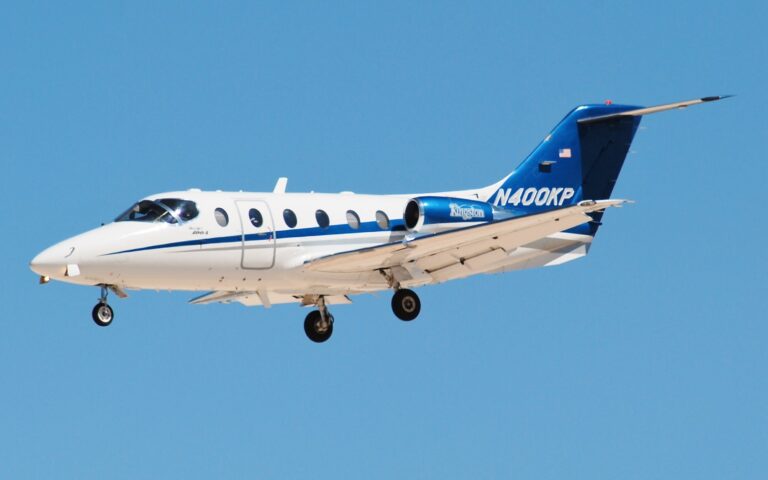
Gulfstream G-III
The Gulfstream G-III (Gulfstream III) is a long-range jet aircraft known for its proven performance, spacious cabin, and operational versatility. Originally developed by Gulfstream Aerospace as the successor to the G-II, the G-III introduced improved range, aerodynamic refinements, and strong high-altitude performance. While it was once a flagship business jet, today the Gulfstream G-III is more commonly utilized in specialized roles such as air ambulance, medical transport, and cargo operations, where its range, cabin volume, and reliability continue to make it a valuable platform.
Performance Capabilities
The Gulfstream G-III offers strong long-range performance that remains well suited for demanding mission profiles. It has a cruising speed of approximately 476 knots (548 mph) and a maximum range of around 3,800 nautical miles, allowing it to perform long domestic and international missions efficiently. This capability makes it especially useful for medical evacuation flights, organ transport, time-sensitive cargo movements, and other specialized missions where speed and range are essential.
With a takeoff distance of approximately 5,400 feet and a landing distance of about 3,500 feet, the G-III can operate into a wide variety of airports, providing flexibility for operators that need access to more remote or operationally convenient locations. Powered by two Rolls-Royce Spey Mk511-8 engines, the aircraft delivers dependable thrust, strong climb performance, and solid cruise efficiency. The aircraft can also reach a maximum cruising altitude of 45,000 feet, allowing it to fly above much of the weather and traffic congestion.
Interior and Comfort
One of the Gulfstream G-III’s greatest strengths is its spacious cabin, which allows the aircraft to be adapted for a variety of mission requirements. Measuring approximately 41.3 feet in length, 7.3 feet in width, and 6.1 feet in height, the cabin provides substantial interior volume for specialized configurations.
In air ambulance service, the G-III can be outfitted to accommodate patient stretcher systems, medical personnel, life-support equipment, and other critical care components needed for long-range medical transport. The cabin’s size allows operators to create a practical and comfortable medical environment for both patients and onboard teams.
In cargo operations, the aircraft’s interior can be used for transporting high-value, time-sensitive, or specialized freight. Its speed and range make it particularly effective for missions where rapid delivery is important. The aircraft also offers dedicated baggage and storage space, adding to its usefulness for operators with mission-specific equipment or freight requirements.
Depending on the operator and mission, the cabin may also include support areas such as a galley, lavatory, and customized layout features that improve comfort and functionality during extended flights.
Key Features and Innovations
The Gulfstream G-III remains respected for its aerodynamic efficiency, durable construction, and dependable operating characteristics. Its swept wing design contributes to stable cruise performance, good range, and efficient high-speed operation. Combined with its proven Rolls-Royce powerplants, the aircraft continues to be a trusted choice for operators that need a reliable long-range platform.
Its avionics and onboard systems vary depending on the aircraft and operator, as many G-IIIs in service today have been modified or upgraded for their intended mission profiles. This adaptability is one of the reasons the aircraft has remained relevant well beyond its original business aviation role.
The G-III’s large cabin, strong payload capability, and mission flexibility make it particularly attractive for organizations requiring a specialized aircraft for medical transport, cargo movement, government operations, or other custom aviation roles.
Ideal Use Cases
Today, the Gulfstream G-III is best known for specialized aviation missions rather than traditional executive charter use. It is especially well suited for:
- Air ambulance and medical evacuation flights
- Organ transport and urgent medical logistics
- Cargo and time-critical freight operations
- Government, humanitarian, and special mission flying
Its long-range capability, spacious interior, and dependable performance allow it to serve missions where reliability, speed, and adaptability are critical. For operators and clients needing an aircraft configured for medical or cargo requirements, the Gulfstream G-III remains a practical and proven solution.
Conclusion
The Gulfstream G-III is a highly capable long-range aircraft with a legacy of performance, reliability, and versatility. Although it began its life as a premier business jet, today it continues to serve an important role in air ambulance, cargo, and specialized operations. With its spacious cabin, strong range, and proven platform, the G-III remains a valuable aircraft for demanding missions that require flexibility and dependable results.
At Centurion Jets, we recognize the unique strengths of aircraft like the Gulfstream G-III and their continued importance in specialized aviation. Whether supporting medical transport, cargo operations, or other mission-specific requirements, the G-III remains a respected and effective aircraft in today’s market.